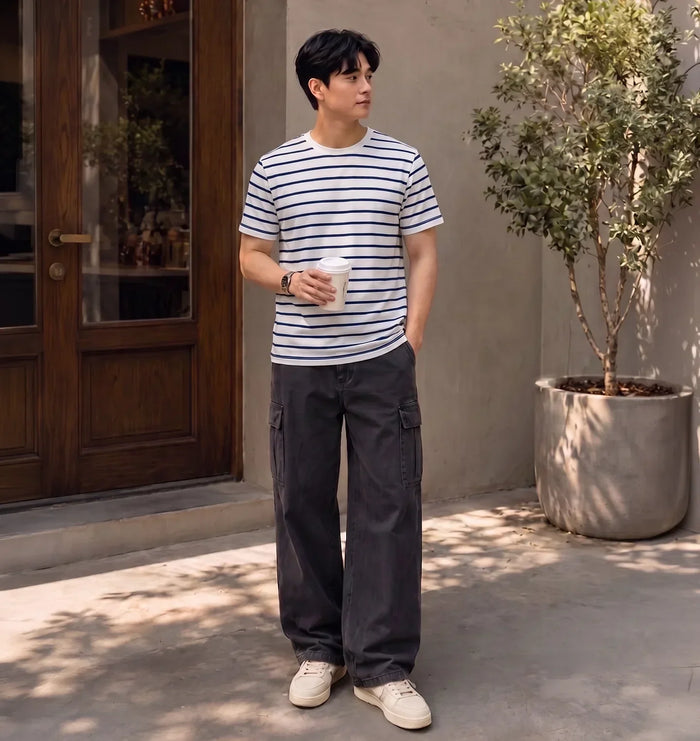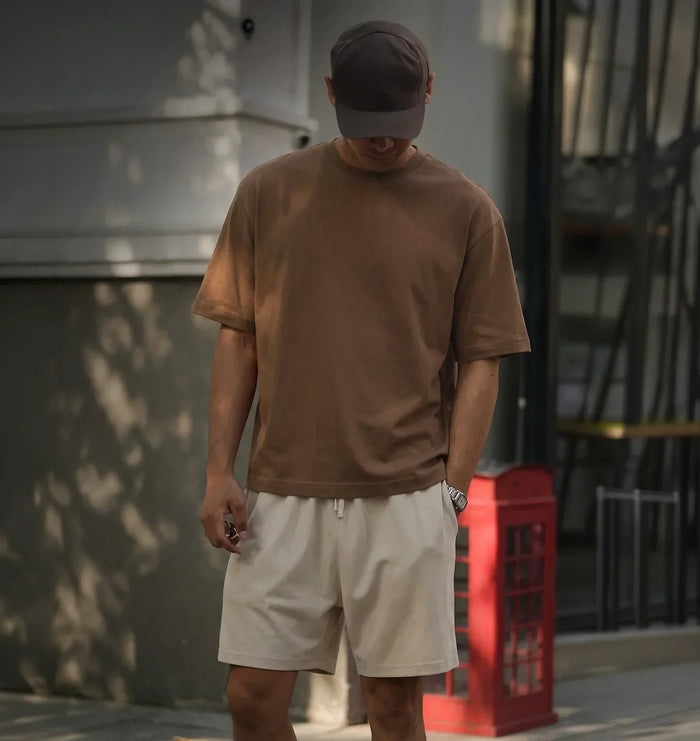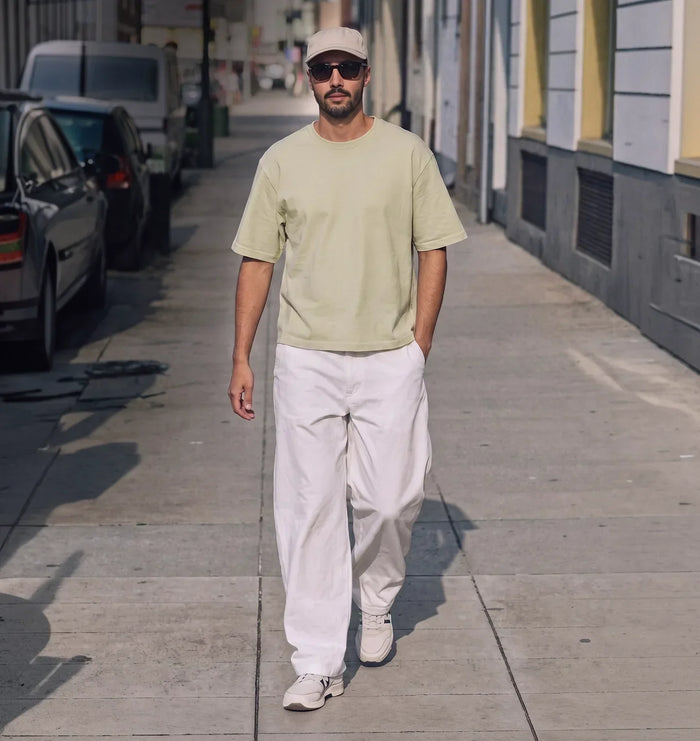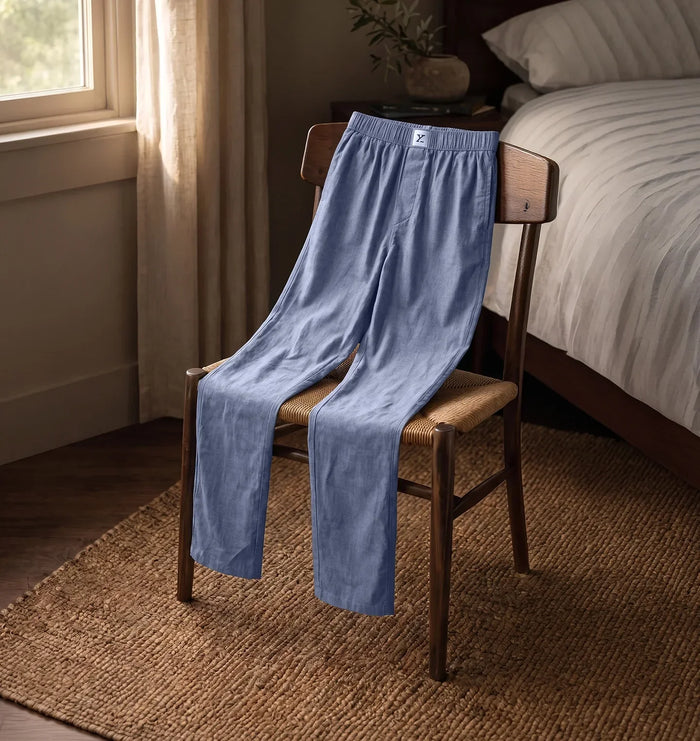



Sweat rash doesn't announce itself politely. It shows up as red, itchy patches around your inner thighs, waist, or underarms, usually mid-afternoon when you're already busy and can't do much about it. If you're commuting in 38°Cheator sitting through long meetings without AC, you've likely been there. What most men don't realise is that the trigger is almost always what they're wearing and understanding this is the first step toward effective sweat rash treatment and even long-term heat rash treatment
What Causes Sweat Rash in Men
Sweat rash develops when moisture gets trapped between your skin and your clothing for too long. It's not a hygiene issue, it's a friction and airflow problem.
Heat + Trapped Moisture
When temperatures climb, your body sweats more. If that sweat has nowhere to go, no airflow, no breathable fabric to help it move, it stays on your skin, blocks your sweat ducts, and causes inflammation. The small red bumps that follow? That's miliaria. In Indian summers, this cycle can begin within an hour of stepping outside, making sweat rash a daily issue for many men.
Friction from Tight Clothing
Sweat rash doesn't always need standing moisture to start. Clothing that presses repeatedly against your skin, especially in the inner thighs, groin, and waistband zone and creates friction on its own. Add heat and sweat to that friction, and the rash follows. The fit and fabric of your innerwear are the biggest variables in this equation.
The Clothing Mistakes That Trigger It
Most men treat sweat rash as a skin problem. It's not. It's a clothing problem.
Tight Innerwear
Briefs that dig at the waist, trunks with a leg band that's too tight, waistbands that leave marks, all of these create the friction-plus-heat combination. A well-fitted trunk that sits close without squeezing is a very different experience from one that clamps. That difference shows up on your skin by noon.
Thick Fabrics
Fabric weight matters more than most men think. Higher GSM (grams per square metre) means more heat retention and more trapped moisture. Heavyweight fabrics might feel substantial, but in peak summer they work against your skin. A lighter-weight, breathable fabric especially for your base layer makes a real difference across a long day.
No Airflow in Your Base Layer
If your breathable innerwear doesn't allow skin to breathe, it's contributing directly to the problem. This applies to the t-shirts and pants layered over it too. Clothing that traps heat continuously gives sweat rash everything it needs.
The Role of Fabric in Skin Comfort
Breathable Fabric vs Synthetic
Not all synthetic fabrics are the same, and not all natural fabrics are always the answer but breathability is the key factor. A breathable fabric allows heat and moisture vapour to escape instead of staying trapped against your skin. Cheap polyester, for example, repels moisture rather than moving it, which means sweat pools at the skin surface. A well-engineered quick dry fabric, on the other hand, moves moisture through the fabric and lets it evaporate. That's a meaningfully different experience on a hot day, making it far more effective for heat rash treatment.
Fabric GSM and Heat Retention
Lower GSM fabrics (roughly 120–190 GSM for t-shirts, and similarly for innerwear) are significantly cooler against the body. If your everyday t-shirts for men feel heavy or clingy after half a day, GSM is likely the issue. Lightweight fabrics don't just feel lighter, they reduce the heat buildup that starts the sweat rash cycle in the first place.
Best Fabrics for Sweat Control
Cotton
Cotton is reliable for a reason. It's breathable and keeps odour in check across a full day making it a solid choice for comfortable clothing during low-to-moderate activity. XYXX cotton trunks offer that baseline comfort that holds up through a regular workday or a day at home without overcomplicating things.
Tactel
When your day involves more movement- a field visit, a morning workout, an outdoor commute. Tactel earns its place. XYXX Tactel trunks dry 8x faster than regular innerwear, which means sweat clears faster. Less lingering moisture means less irritation. If your innerwear still feels damp mid-afternoon, this is the switch worth making.
Modal
For men who sit for long stretches or shift between desk time and movement, modal offers something specific: exceptional softness. XYXX modal trunks are 3x softer than cotton, which reduces friction simply by nature of how the fabric feels against skin. That softness isn't just comfort, it's functional when you're trying to avoid rash-causing friction across a full day.
How to Dress to Avoid Sweat Rash Daily
Your innerwear is the foundation, but what you layer over it matters too.
Start with the right innerwear. Match it to your day- cotton for regular office days, Tactel if you're moving around outdoors, modal if comfort and extended wear are the priority.
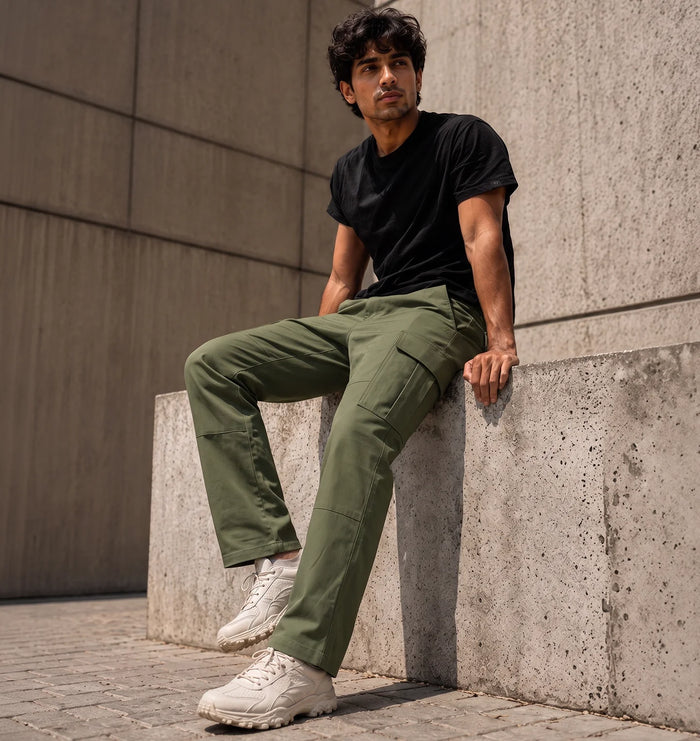
Pick breathable bottomwear. XYXX Easy Pants and Easy Shorts are built for home wear and running errands, super light and breathable while still looking put-together. They give your legs enough airflow to prevent heat buildup in one of the most sweat-rash-prone zones.
Keep your top layer light. A lightweight cotton t-shirt in a lower GSM keeps heat from building up between your innerwear and outer layer. The less heat trapped between layers, the less sweat your skin has to deal with. XYXX Zero pants are a good example of this, lightweight construction that doesn't trap heat, suitable for days when you're mostly outdoors or covering ground.
The combination of breathable underwear at the base and a lightweight, breathable top layer is the most effective daily defence against sweat rash. It's not complicated. It just requires thinking about fabric the same way you think about fit.
FAQs
Is sweat rash common in men?
Very. Indian summers create near-perfect conditions for it. Most men don't realise their innerwear or fabric choice is the trigger.
Does the type of underwear I wear actually affect sweat rash?
Yes, directly. Innerwear that's too tight or made from a fabric that doesn't breathe traps heat and creates friction. Both are triggers. Switching to a well-fitted, breathable option is the most immediate change you can make.
Options like TENCEL™ Modal innerwear from XYXX, known for being 3x softer than cotton, feel gentle on the skin during long hours. For more active days, Tactel trunks are built to handle sweat better, drying 8x faster and staying light through movement, making them a practical choice when heat and activity levels go up.
Are Easy Pants and Easy Shorts good for avoiding sweat rash?
They're designed for home wear and errands, super light, breathable, and structured enough to look decent while you're at it. For lower-body airflow and comfort on non-outing days, yes, they do the job well.
Does fabric weight (GSM) matter for sweat rash?
It does. Heavier fabrics retain more heat. Lighter GSM fabrics allow heat to dissipate faster, which slows down the sweat rash cycle before it starts.
Conclusion
Sweat rash is your skin reacting to a fabric problem, not a personal hygiene failure. The fix is practical: choose breathable fabric, wear breathable underwear, layer it with lightweight bottomwear built for airflow, and stop treating what you wear closest to your skin as an afterthought.
Prevention starts with what you wear, not just what you apply. Explore XYXX's range of cotton trunks, Tactel trunks, and modal trunks built with exactly this in mind.