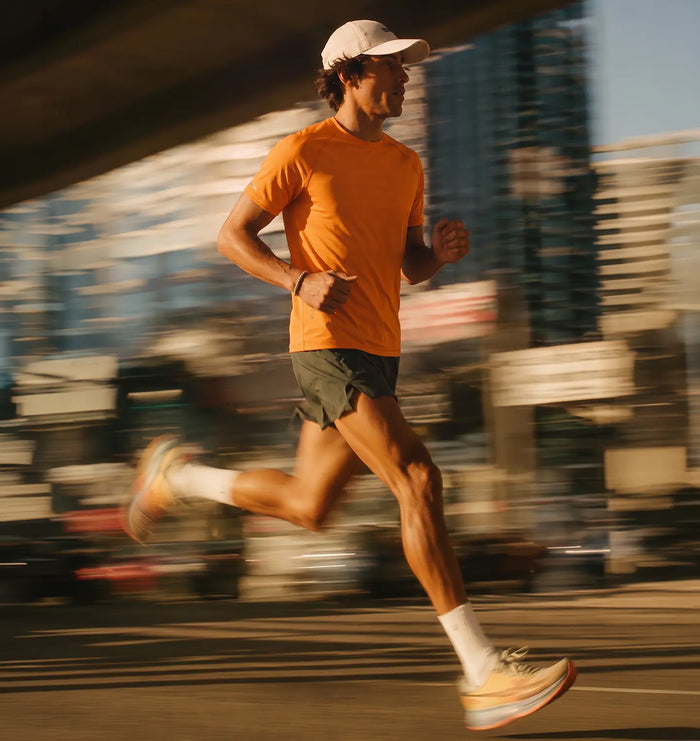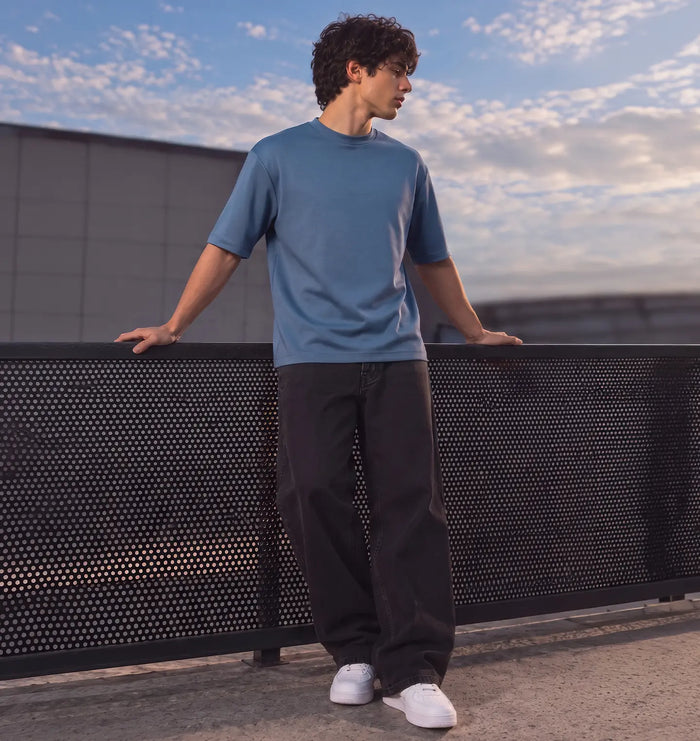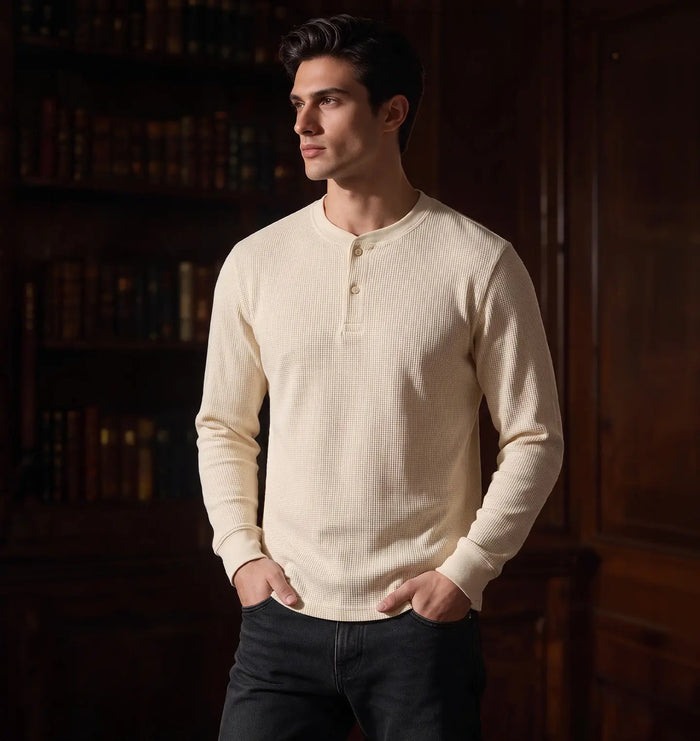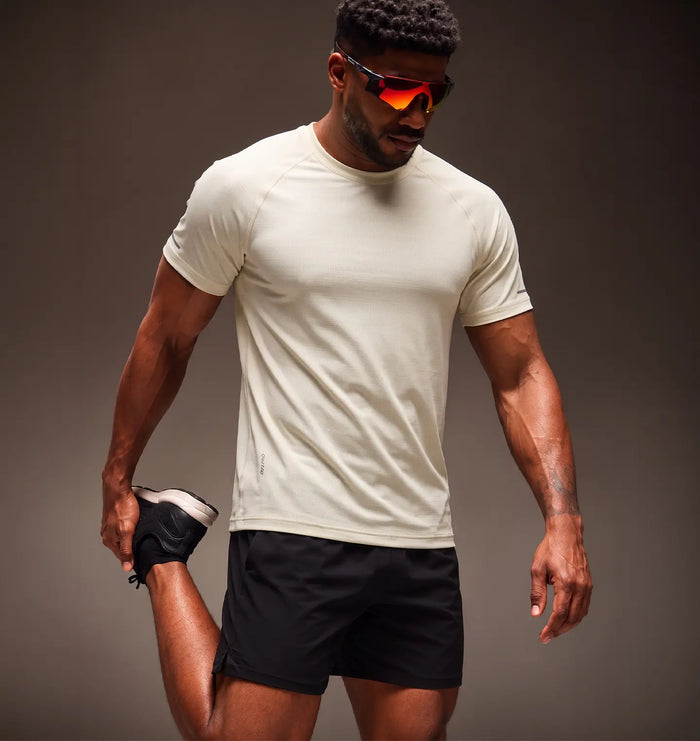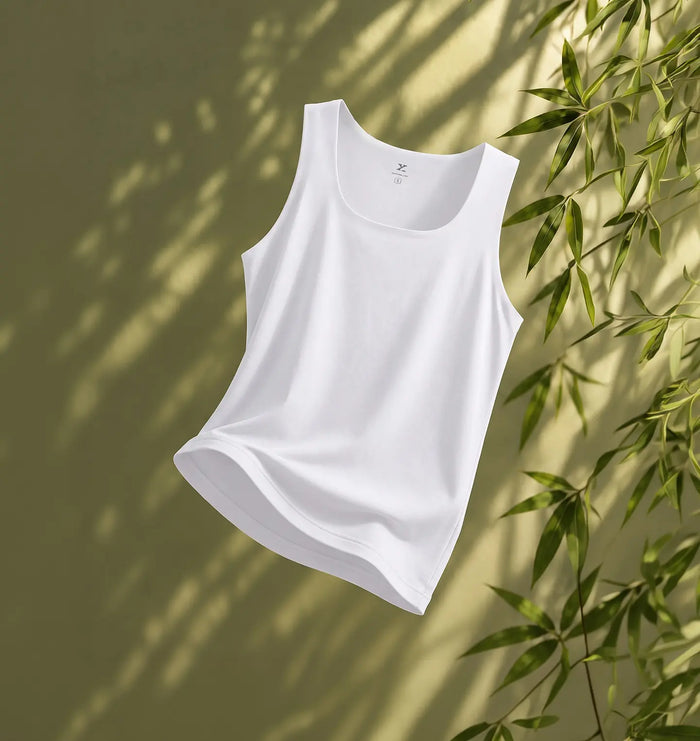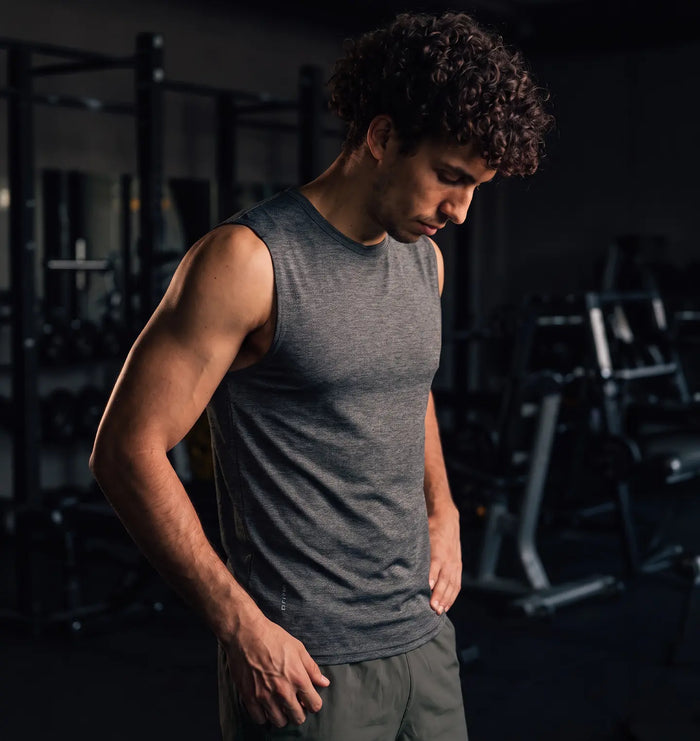


Here’s a challenge for you. Take a quick look at the tag of the clothes you’re wearing right now and tell us what they’re made of. There’s a good chance that your answer will be cotton. It is, perhaps, the single most popular fibre in the market right now.
And this has been the case for generations. Cotton has enjoyed an unchallenged run across the apparel industry, from T-shirts to socks, and most prominently in men’s vests.
It’s not hard to see why either. It was familiar, easy to source, and reliable enough that it didn’t need to be questioned. Cotton is soft, and we want our fabrics to feel soft - that was the logic, and we didn’t really think beyond it.
Yet, on a random hot and humid day, when you’re commuting to the office in a crowded train or when you’re urgently drying off the sweat patches on your shirt before a big presentation a familiar discomfort comes up that most men will relate to.
Our favourite cotton fabric starts to show its flaws. The sweat makes the fabric wet and heavy, your body feels like it’s starved for fresh air, and you’re already dreading the bad odour that will stay on your clothes even after the sweat dries. At times like these,you find yourself questioning if this is really the best choice for you.
Has no innovation been made in the men’s everyday clothing space that can better deal with this all-too-familiar issue?
Well, enough men felt this way for too long, and today, a quiet revolution in menswear is underway. Apparel brands like XYXX are actively looking beyond conventional vests and turning to next-generation materials like bamboo-derived fabrics. The aim is to clear - making clothing that works for how the human body actually functions in everyday situations.
Why Brands Are Questioning Cotton
It’s easy to dismiss the pivot toward alternative fibers as just a fad or a way to solve a problem that didn’t need solving. But the use of alternatives to cotton isn't a design whim. It has been a long time coming. With all the shortcomings of conventional cotton, men all over the world demanded a better alternative.
-
Moisture Trapping vs. Wicking: One of the biggest drawbacks of traditional cotton is that the fibre, though soft, holds onto moisture. The material is absorbent at its core, so it naturally locks sweat in and refuses to let go of it quickly. This would seem fine in cold climates where men rarely sweat, but in warm climates, a vest made from basic cotton leads to damp patches, chafing, and uncomfortable clinging of the vest to the body.
-
Fiber Degradation: Natural cotton fibres have irregular surfaces that cause them to break and fray after multiple machine washes. This degrades the texture over time, and it starts irritating sensitive skin.
-
Unnecessary Bulk: The heavy knit constructions of most cotton garments often trap air instead of letting your skin breathe freely. This makes it feel suffocating when worn for a long duration.
The Advantage Bamboo Has
Given these drawbacks, textile engineers turned to other materials, and they found their answer in bamboo cellulose. It was a material uniquely suited for everyday essentials in the tropical climate.
Unlike their cotton counterparts, bamboo-derived fibres are exceptionally smooth and cylindrical. This fixes the micro-abrasions that make cotton feel itchy and irritating after repeated use.
When it’s blended with ultra-fine combed cotton, bamboo fibre creates a hybrid textile that changes how a vest behaves throughout a demanding day.
-
Natural Airflow: The structure of bamboo fibres is such that it contains natural ventilation channels. These channels allow air to circulate freely across your skin and prevent heat from getting trapped.
-
Active Moisture Wicking: Instead of soaking up, a bamboo vest draws it away from your torso and disperses it across the fabric surface for quick evaporation. So your skin is dry and unbothered.
-
Inherent Freshness: The breathable nature of bamboo fibre inhibits the formation of the warm, damp environment where odor-causing bacteria typically multiply. This antibacterial property ensures that your base layer stays fresh throughout the day.
Leaving the Default Behind
After knowing all these advantages of bamboo-derived fabrics, settling for conventional cotton seems like an unnecessary compromise. The traditional banyan had its time, but now it’s just an old habit from an era when better options exist.
If the same complaints about heavy, damp cotton vests have been plaguing you for ages, now is the time to make the shift. Let bamboo fabric show you what comfort can truly feel like.
Frequently Asked Questions
1. Why are clothing brands switching from 100% cotton to bamboo-derived fabrics?
Many brands are now adopting bamboo-derived fabrics because their smooth, rounded fibre structures offer better breathability, a softer touch, and superior moisture management compared to conventional cotton.
2. What makes a bamboo invisible vest different from a standard gym tank top?
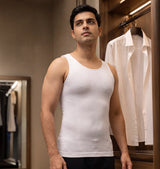
Gym tanks are typically thick and oftentimes ribbed. They have raised edges and high collars since they aren’t meant to be worn inside another piece of topwear. An invisible vest is cut with a deep neckline and flat-bonded seams that remain completely concealed under shirts.
3. Does bamboo fabric help prevent sweat patches from showing on outer shirts?
Yes. The small channels in bamboo fibres quickly wick sweat away from the body and disperse it across a wide area on the surface of the fabric. This creates an effective barrier that prevents the sweat from soaking through to your shirt.
4. How does bamboo innerwear hold up after repeated machine washing?
XYXX Bamboo Viscose Cotton Vests are blended with high-grade combed cotton, so that the bamboo fabric retains its smooth surface and soft drape. So unlike standard cotton, you won’t feel the stiffness and rough texture develop over time.
5. Can you wear the XYXX Bamboo Cotton Invisible Vest in hot and humid weather?
Yes. The natural air circulation and rapid sweat dispersion of XYXX Bamboo Invisible Vests make them significantly lighter, cooler, and more breathable than traditional heavy cotton vests.