


Why Fleece Is One of the Best Winter Fabrics
Winter dressing sounds simple until you’re five minutes into a commute and questioning why your warmest outfit also weighs as much as your backpack.
That's just about where fleece fabric belongs in the closet. Fleece is warm but not too bulky, soft to the touch and easy to layer, and is good for everything from cold morning walks to relaxed weekends. If you’re putting together a functional men’s winter wardrobe, good fleece garments can fill a remarkable number of cold-weather needs.
What Makes Fleece Useful?
Winter fleece is a good choice for an outer layer in mild cold, or an insulator middle layer when it gets colder, unlike a heavy winter fabric that can feel bulky indoors.
This flexibility is one reason why you’ll see it on hoodies, sweatshirts, jackets and fleece sweatpants.
What Is Fleece Fabric?
Modern fleece fabric is a synthetic knit fabric, usually manufactured out of polyester. Its soft brushed surface traps little pockets of air to provide insulation without the need for a heavy covering.
How Is Fleece Made for Winter Wear?
The knitted fabric is brushed to give the fuzzy surface we associate with fleece. Different constructions and weights can then give different levels of warmth, breathability, and bulk.
Polyester fleece fabric can be anything from lightweight pieces for active layering to thick winter garments for colder days.
Why Is Fleece Good for Winter?
So, why is fleece one of the best winter fabrics for everyday wardrobes? It balances several qualities people actually notice while wearing it: warmth, low weight, softness and layering convenience.
-
Fleece is great for keeping you warm
The fleece cloth material is raised, which helps trap warm air close to your body. This trapped air is insulating in nature, and fleece is often used as an insulating mid-layer in cold weather.
A fleece hoodie over a T-shirt is an easy combination for cooler mornings, before you reach for your heaviest jacket.
-
Fleece Is Lightweight
Heat doesn't always have to come in bulk. One of fleece’s biggest benefits is its warmth-to-weight ratio.
A light or midweight fleece can keep your winter ensemble comfortable and not make every move an upper-body workout.
-
Fleece is soft and comfortable
Fleece fabric has a brushed texture that makes it feel soft. That’s important for items you wear for long stretches, like a fleece sweatshirt on work-from-home days, plane trips or weekend errands.
It’s basically the winter layer you wear at 9 a.m. and forget to remove.
-
Fleece Helps Manage Moisture
The polyester fleece can dry rather fast, and the performance fleece constructions also wick moisture and allow for good breathability. Suitable fleece is good when activity levels increase.
However, it’s worth checking the individual garment, since moisture management varies with fleece construction.
-
Fleece Layers Easily
Fleece is especially good as an insulating middle layer. Layer up with a T-shirt or base layer under one of your winter jackets for men for extra protection against wind and cooler temperatures.
Also Read: A Complete Guide To Men's Winter Accessories
What Makes Fleece Different From Other Winter Fabrics?
No winter material does it all equally well. Understanding these differences can help you decide when fleece for winter is appropriate and when another material might be a better fit for the conditions.
-
Wool vs. Fleece
Fleece and wool are both insulating. Fleece is generally quick-drying and easy to care for. Fleece comes in different weights.
Wool is a natural fiber and can also absorb moisture and keep you warm. It might come down to feel, activity, maintenance, and what you prefer.
-
Cotton vs. Fleece
Cotton soaks up moisture and dries slowly, which is not good when you are sweating in cold conditions. Polyester fleece, however, dries faster and can retain insulation value when wet.
This makes fleece more practical than cotton in many active cold weather situations
-
Down vs fleece
Down is known for its excellent warmth-to-weight ratio and is often used when more insulation is needed. Fleece is usually more breathable and is a good active mid-layer.
Imagine them as complementary tools, not rivals: fleece for flexibility in layering, down for added insulation.
Is Fleece Good for Different Types of Winter Activities?
Your 7 a.m. run, Monday commute and Sunday coffee run clearly do not need identical outfits. Fortunately, fleece clothing comes in enough forms to cover different routines.
-
Everyday Wear
A fleece sweatshirt or hoodies for men can provide an easy layer for commuting, college, casual plans and relaxed weekends.
Wear one with jeans, chinos or joggers depending on how dressed-up - or horizontal - you plan to be.
-
Outdoor Activities
A fleece jacket works well as an insulating layer for walks, travel and other outdoor activities. Because fleece itself can allow wind through, adding a protective outer shell is sensible in windy or harsher conditions.
-
Travel
Fleece is especially useful when your trip involves changing temperatures. A midweight layer can be worn alone, placed under a jacket or packed away when things warm up.
-
Winter Workouts
For walking, warm-ups, and lower-intensity outdoor sessions, breathable lightweight fleece can provide warmth without excessive bulk.
For harder workouts, choose a performance-oriented construction that manages moisture rather than simply picking the thickest winter fleece available.
How to Choose the Right Fleece Clothing for Winter
Not every fleece belongs in the same weather. Before buying, consider how and where you will actually wear it.
-
Check the Fleece Weight
Lightweight fleece suits mild weather and active layering. Midweight options provide more insulation, while heavyweight fleece makes more sense when warmth takes priority.
-
Choose the Right Fit
A close but comfortable fit helps a mid-layer sit neatly beneath a jacket. For standalone casual wear, you can choose a more relaxed silhouette.
-
Look for Breathable Construction
If you walk, travel or stay active outdoors, breathability becomes important. Performance fleece can allow heat and moisture to escape more effectively.
-
Consider the Weather
Standard fleece is breathable but is not necessarily windproof. For windy or wet conditions, combine it with suitable outer protection rather than expecting one layer to handle everything.
How to Style Fleece for Everyday Winter Outfits
The practical side is sorted. Now comes the part where you make fleece look less “mountain expedition” and more everyday wardrobe.
-
Fleece Sweatshirt + Trousers
Pair a fleece sweatshirt with straight-fit trousers and clean sneakers for an easy casual outfit. A neutral mens white fleece can also create a clean base for darker trousers.
-
Fleece Hoodie + Joggers
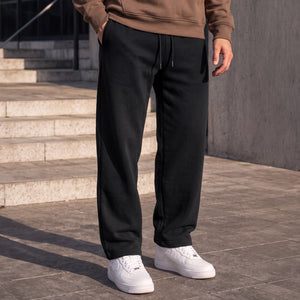
A fleece hoodie with joggers or fleece sweatpants keeps things relaxed without looking like you forgot to change after waking up.
Keep the fit balanced: a roomy hoodie works best with joggers that have a cleaner, tapered shape.
-
Fleece Jacket + T-Shirt + Pants
Layer a fleece jacket over a plain T-shirt with jeans or cargos. This combination works especially well when the temperature changes throughout the day.
-
Fleece Layering for Travel
Start with a breathable T-shirt, add fleece, and keep a lightweight outer jacket handy. You can remove one layer at a time instead of spending an entire flight arguing with the AC.
How to Care for Fleece Clothing
Good care helps fleece retain its shape, softness, and performance for longer. The exact instructions depend on the garment, so always start with its care label.
Follow the Garment's Wash Instructions
Wash settings may differ depending on the fleece blend. Follow the suggested cycles and temperatures as stated on the label.
-
Avoid Excessive Heat
Synthetics can be damaged by high heat. Don’t automatically select the hottest wash or drying setting just because it’s cold outside.
-
Wash Fleece Properly
Wash garments inside out if advised, and do not overload on the washing machine. Gentle washing helps prevent excessive surface wear.
-
Store It Correctly
Ensure fleece is completely dry before storing. Fold heavier pieces neatly rather than cramming them into a crowded shelf.
Also Read: How to Wash and Care of Fleece Jackets: A Complete Guide
Common Mistakes to Avoid When Wearing Fleece
Even a good winter fabric can feel uncomfortable when the garment or layering system does not match the conditions.
-
Choosing the Wrong Fleece Weight
If the fleece is too heavy for activity, you’ll overheat; if it’s too light, you may not have enough insulation on colder days.
-
Over Layering
More layers doesn’t equal comfort. Pick layers that work together rather than just dumping on all the warm clothes you own.
-
Wearing an Oversized Layer Under a Jacket
A fitted jacket layered over a bulky hoodie can restrict your movement. Opt for a more fitted mid-layer if you intend to add outerwear.
-
Ignoring Breathability
For active days, don't just consider thickness. A breathable fleece will prevent heat and moisture build-up while you move.
-
Using Fleece for Every Weather Condition
Fleece is useful, not magic. Wind and rain needs a suitable shell or weather resistant outer layer.
Build Your Winter Wardrobe Around Fleece
A practical winter wardrobe does not need fifteen versions of the same thick sweater. Build around pieces that suit different temperatures and plans.
Start With Versatile Layers
Choose a fleece hoodie or fleece sweatshirt for everyday comfort, add a fleece jacket for outdoor layering and keep fleece sweatpants for relaxed days.
Mix these with T-shirts, sweatshirts for men, hoodies for men and protective outerwear to create winter wear for men that can adapt as temperatures change.
FAQs
Is fleece a good fabric for winter?
The fleecy material traps pockets of warm air and is quite lightweight. Many polyester fleece constructions also dry quickly, making fleece practical for layering in cold weather.
Is fleece warm enough for winter?
Yes, but warmth depends on fleece weight, weather, and activity. Milder cold is good with lightweight fleece, but for colder or windy weather, heavier fleece with an outer jacket may be needed.
How does fleece keep you warm in winter?
The raised fibers in fleece cloth material create air pockets that hold body-warmed air close to you and provide insulation without the weight of some heavier materials.
Is fleece warmer than cotton?
Polyester fleece dries faster and is still insulating when wet, so in cold active situations fleece generally wins out. Cotton soaks up moisture and takes longer to dry.
Is fleece breathable?
Yes, a lot of fleece fabrics are breathable. Breathability varies depending on the weight and construction of the fabric, but lightweight performance fleece can let heat and moisture escape.
Is fleece good for everyday winter wear?
Yes. Fleece for winter is great for commuting, casual outings, travel, and lounging because it provides softness, warmth, and fairly low weight.
What is the difference between fleece and wool?
Fleece is usually made from synthetic polyester, whereas wool is a natural animal fiber. Both provide insulation but differ in feel, drying behavior, care requirements, and performance characteristics.