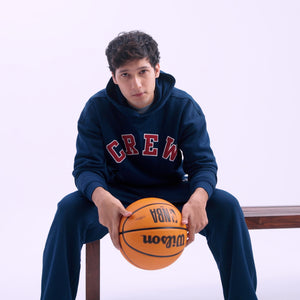
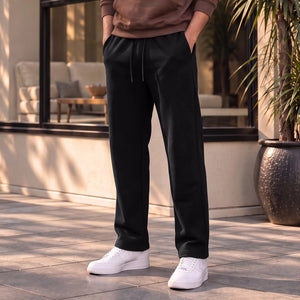
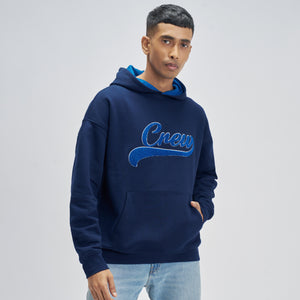
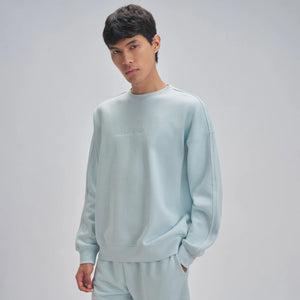


The outfit that works for a relaxed evening walk on a summer day may not be so great for a HIIT workout. Different workouts mean different movements, sweat, and impact. Your clothes need to match.
The right activewear for men comes down to one question: what will you be doing in it? From flexible active T-shirts for cardio to comfortable joggers for men for strength sessions, matching your clothes to your workout can help you move comfortably without spending half the session adjusting your outfit.
Why Your Workout Should Decide What You Wear
A deadlift and a 5K run ask very different things from your body. Your clothes should reflect that too.
Movement Comes First
Running involves repetitive forward movement and plenty of sweating. Strength training requires freedom around the shoulders, hips, and knees. Yoga needs unrestricted stretching, while outdoor workouts introduce temperature, wind, and sun.
That is why mens athletic clothes should be chosen according to activity rather than appearance alone.
Also Read: What is Activewear? Everything You Need To Know
How to Choose Activewear for Different Workouts
If you are wondering how to choose activewear for different types of workouts, start by looking at how much you move and sweat during each activity.
1. Strength Training & Weightlifting
With weights, you'll want to find gym wear for men that gives your shoulders, hips, and knees plenty of freedom of movement for things like squats, presses, and deadlifts.
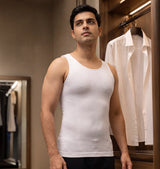
A breathable gym vest keeps your arms unrestricted during upper-body training, while joggers or stretch shorts are perfect for lower-body sessions. If you prefer full-length bottoms, track pants with a tapered fit can offer coverage without any loose fabric getting in the way.
When choosing what men should wear for strength training workouts, focus on mobility and a secure fit rather than extremely loose clothing.
2. Running & Jogging
Running generates repeated movement, body heat, and sweat. Your running clothes for men should therefore feel lightweight and avoid holding unnecessary moisture.
Breathable, quick-drying active T-shirts are a practical starting point. Pair them with running shorts or lightweight bottoms that do not restrict your stride.
Good men's running wear should also reduce unnecessary bulk. For activewear for running, save your thick cotton tee for the post-run coffee.
3. HIIT & Cardio Workouts
Burpees, jumping jacks, mountain climbers, and sprints make loose, heavy clothes annoying very quickly.
Choose HIIT workout clothes that combine stretch, breathability and quick-dry performance. A lightweight top paired with secure shorts or tapered bottoms can handle frequent changes in movement.
Your cardio workout clothes should stay in place while you jump, bend and sprint. Nobody wants their waistband joining the workout independently.
4. Yoga, Mobility & Stretching
Yoga and mobility sessions call for clothing that moves with deep bends, twists and stretches without pulling tight or bunching. Good yoga clothes for men should provide stretch through the hips, knees and shoulders. A comfortable T-shirt or vest paired with flexible joggers or shorts usually works well.
For men's yoga wear, avoid overly loose tops that fall toward your face during inverted positions. Workout clothes for flexibility should move with you rather than needing constant readjustment.
5. Walking & Low Impact Workouts
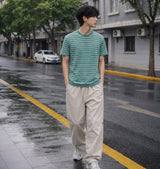
Walking provides more flexibility in clothing choices as the intensity level is generally lower. Lightweight joggers for men, T-shirts, and comfortable track pants are great for daily walks and easy recovery workouts.
If you plan to buy men's joggers, look for a fit that allows for a natural stride and is not baggy around the ankles.
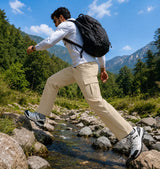
6. Outdoor Workouts
Outdoor exercise adds another factor: weather. Your clothing needs to handle both the workout and the conditions around you.
For warm weather, choose lightweight and breathable activewear for men. In cooler conditions, layer a breathable base with track pants or a lightweight outer layer.
For what men should wear for outdoor workouts, think in removable layers rather than one heavy garment.
How to Choose the Right Activewear Fabric
Fabric can change how an outfit feels once the workout becomes intense. Look at moisture handling, airflow, stretch and weight rather than choosing purely by softness.
-
Quick-Dry Fabrics
Quick-dry materials are particularly useful for running, HIIT and cardio because they are designed to dry faster after becoming damp.
They help prevent your men's workout clothes from staying heavily sweat-soaked throughout the session.
-
Breathable Fabrics
Breathable construction allows heat and moisture vapour to escape more easily. This becomes particularly useful during high-intensity or warm-weather workouts.
Look for breathable active T-shirts when your routine regularly leaves you sweaty.
-
Stretchable Fabrics
Stretch is important for squats, lunges, yoga, and mobility work. Fabrics containing elastane or other stretch fibres can provide greater freedom of movement.
Your clothes should stretch with the exercise without becoming loose or losing their shape.
-
Lightweight Fabrics
Lightweight fabrics reduce unnecessary bulk during running, cardio and high-movement workouts.
The ideal men's activewear should feel present enough to provide coverage but light enough that you stop thinking about it once the workout begins.
How Should Men's Activewear Fit?
There is no single correct fit for every workout. Your activewear should stay secure without restricting the movements required by your routine.
Aim for Secure, Unrestricted Movement
For running and HIIT, a closer fit can reduce excess fabric bouncing or shifting around. Strength training and walking can allow slightly more relaxed silhouettes.
So, how should men's workout clothes fit? Try performing a squat, overhead reach, and lunge. If the garment pulls, slips, or needs adjusting, reconsider the fit.
And should workout clothes be loose or tight for men? Usually, neither extreme is necessary. Aim for comfortably fitted clothing that suits the activity.
Also Read: Why Recovery Matters More Than Intense Workouts
Workout Type vs Activewear: Quick Comparison
Different training styles need different clothing qualities. Use this as a simple starting point when putting together your workout wardrobe.
Match the Clothing to the Movement
|
Workout |
Top |
Bottom |
Priority |
|
Strength training |
T-shirt or gym vests |
Shorts or joggers for men |
Stretch and mobility |
|
Running |
Active T-shirts |
Lightweight shorts |
Quick-drying and low bulk |
|
HIIT |
Lightweight fitted top |
Secure shorts |
Breathability and stretch |
|
Yoga |
Stretchable tee or vest |
Flexible joggers |
Unrestricted movement |
|
Walking |
T-shirt |
Track pants or joggers |
Everyday comfort |
|
Outdoor training |
Breathable top/layers |
Weather-suitable bottoms |
Temperature management |
Common Mistakes to Avoid When Choosing Workout Clothes
The wrong outfit rarely seems like a problem while getting dressed. You usually notice it around rep eight or kilometre two.
-
Wearing the Same Outfit for Every Workout
Your lifting outfit may be too heavy for running, while short running shorts may not provide the coverage you prefer for stretching. Build a few workout-specific combinations instead.
-
Choosing Style Over Function
Looking good is welcome. Being able to complete a squat comfortably is slightly more important. Choose your gym outfit men combination according to movement first, then colour and styling.
-
Ignoring Fabric
A soft fabric is not automatically suitable for intense exercise. Consider drying speed, breathability, and stretch alongside how the garment initially feels.
-
Choosing the Wrong Fit
Extremely baggy clothing can interfere with movement or equipment. Clothing that is too tight can restrict your range of motion. Test your workout movements before committing.
-
Ignoring the Weather
Outdoor clothing should change with temperature and conditions. What works for an indoor gym may feel uncomfortable during a hot afternoon run or cool winter walk.
Build Your Workout Wardrobe Around Your Routine
You do not need a separate wardrobe for every exercise, but you do need pieces that match the workouts you actually perform.
Start With Versatile Performance Pieces
Build your activewear for men collection around breathable active T-shirts, flexible shorts, joggers for men, gym vests and track pants. If lifting makes up most of your routine, prioritise comfortable gym wear for men. If you run regularly, put quick-dry, lightweight pieces higher on the list.
The goal is simple: your clothes should keep up with your workout and not become an obstacle in it.
FAQs
What should men wear for different types of workouts?
When deciding how to choose the right workout clothes for men, consider how you will move, how much you sweat, how hard you will work out, and the environment. Pick fabrics and fits that work for the activity.
What should men wear for strength training?
Choose men's gym clothes that breathe easily and stretch enough to squat, press, and pull. "Team a T-shirt or vest with some baggy shorts or tapered joggers.
What is the best activewear for running?
When running or jogging, men should choose lightweight, breathable tops and shorts that dry quickly and allow a natural stride without extra fabric.
What should I wear for HIIT workouts?
The best HIIT workout clothes for men are lightweight, stretchy, and breathable fabrics that stay put when you’re jumping, sprinting, bending, and changing direction quickly.
What fabric is best for men's workout clothes?
Performance polyester and polyester-elastane blends are popular choices for men’s workout clothes because they can offer moisture management, quick drying, stretch, and lightweight construction.
Should workout clothes be loose or tight?
Workout clothes should fit well and not restrict movement, in general. Tighter fits can be useful for running and HIIT, but looser fits can be fine for strength training and walking and mobility sessions.
Do you need different clothes for different workouts?
You don’t need completely separate outfits, but the best type of activewear for gym workouts can be different from running or yoga. Some versatile items with the right stretch, breathability and fit can cover a lot of activities.