






A hard workout feels productive. You finish sweaty, tired, and slightly proud of yourself for surviving those last few reps. But the work does not end when you put the weights down. Your body still needs time to repair, adapt, and rebuild.
That is where post-workout recovery comes in. Training provides the stimulus, but recovery gives your body a chance to respond. Without enough rest, food, sleep, and sensible movement, pushing harder can leave you feeling exhausted rather than stronger.
For anyone serious about recovery and fitness performance, learning when to train hard and when to slow down is just as useful as knowing how to train.
What Happens to Your Body After an Intense Workout?
Your body does plenty of work after the workout is over. Muscles need to repair, energy stores need replenishing, and the body gradually returns to its usual state.
Muscle Stress and Repair
Strength and resistance training place stress on muscle fibres. This is a normal part of training, but those tissues need time and adequate nutrition to repair.
That is why recovery after workout sessions matters. Training again before your body has had enough time to recover may affect your performance.
Muscle soreness can also appear several hours after exercise and often becomes more noticeable during the following one to three days. This is commonly known as delayed-onset muscle soreness, or DOMS (Delayed Onset Muscle Soreness).
Energy Stores Need Replenishing
Exercise uses stored energy, particularly glycogen during higher-intensity training. Eating a balanced meal after training helps replenish energy and provides nutrients needed for normal repair.
Hydration also matters, especially after workouts that involve plenty of sweating.
Your Nervous System Needs a Break Too
Training is not only demanding on your muscles. Hard sessions can also leave you feeling generally fatigued.
That tired feeling after a particularly demanding workout is your cue to pay attention to the bigger picture rather than treating exhaustion as a badge of honour.
Why Recovery Is Essential for Muscle Growth
Muscle growth does not happen simply because you lifted something heavy. Training creates the stimulus; adaptation takes place during the periods between sessions.
Repair Comes Before Adaptation
During recovery after strength training, the body repairs the muscle tissue affected by exercise. With appropriate training, nutrition, and rest, muscles can adapt to handle future demands.
This is one reason why training the same muscle group intensely every day is not necessarily a smart approach.
Recovery Supports Future Sessions
Good post-workout recovery can help you return to your next session feeling more prepared.
If every workout begins with extreme soreness and low energy, it becomes harder to maintain training quality. A sensible recovery routine helps create a more sustainable rhythm.
Progress Needs Consistency
Fitness results are built over weeks and months, not from one heroic Tuesday workout.
You may have an excellent session today, but if you are too exhausted to train properly for the next several days, that single session does not offer much of an advantage.
More Workout Isn't Always Better
It is tempting to think that adding another workout, another set, or another hour will automatically speed up progress. Bodies, unfortunately, do not follow that particular spreadsheet.
Training Stress Needs Balance
Exercise is a form of stress. Some stress is useful because it gives your body a reason to adapt. Too much without sufficient recovery can contribute to persistent fatigue and declining performance.
For recovery after weight training, the goal is not to avoid training hard. It is to give your body enough time to respond to that training.
Soreness Isn't a Scorecard
Being extremely sore does not automatically mean a workout was better.
Some soreness can occur after unfamiliar or demanding exercise, but chasing soreness as proof of a successful workout can encourage unnecessary training volume.
If soreness is severe, persistent, or accompanied by unusual symptoms, it is worth speaking with a healthcare professional.
What Does Good Workout Recovery Look Like?
Effective recovery from muscle soreness is not one magic trick. It is usually a collection of ordinary habits that work together.
Prioritise Sleep
Sleep gives your body time to carry out many important repair and recovery processes. Adults generally need around seven to nine hours of sleep each night, although individual needs vary.
If your training load is high, protecting your sleep routine becomes even more useful.
Eat Enough
Your body needs adequate calories, protein, carbohydrates, fats, vitamins, and minerals to support normal recovery.
After exercise, a meal containing protein and carbohydrates can help support muscle repair and replenish energy stores.
Stay Hydrated
Water supports many functions involved in exercise and recovery. If you have been sweating heavily, replacing fluids and electrolytes may also be useful depending on the duration and intensity of the activity.
Keep Moving When Appropriate
Complete inactivity is not always necessary. Gentle movement such as walking, easy cycling, or mobility work can be part of active recovery.
The key is intensity. Active recovery should feel easy rather than becoming another workout disguised as a "recovery session.
Stay Comfortable After Training
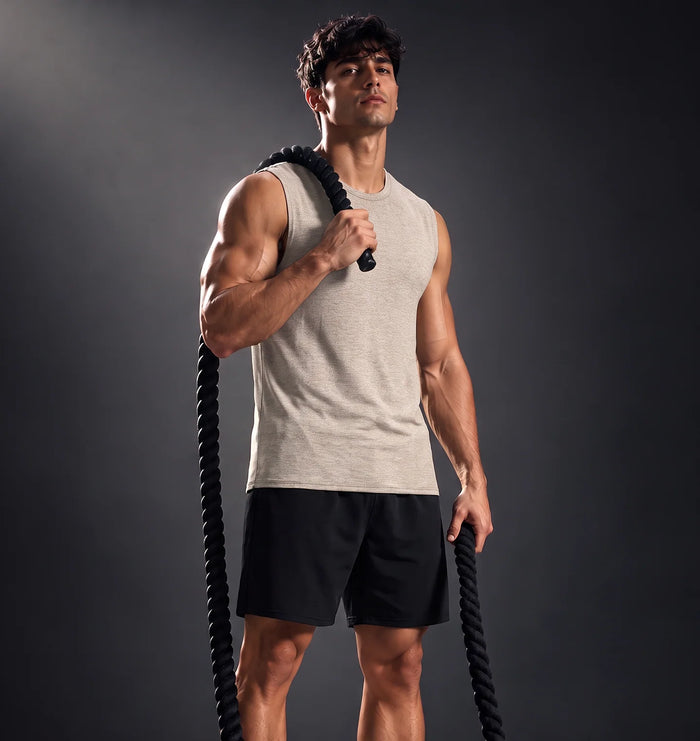
What you wear during and after a workout can also affect how comfortable you feel. A breathable gym vest for men works well for training sessions, especially when you want lightweight clothing that does not feel restrictive.
Also Read: Why Your Gym Performance Starts with the Right Post-workout Underwear
How to Plan Rest Days Without Feeling Lazy
Rest days can feel strange when your routine revolves around training. But taking a day off does not mean you have stopped making progress.
- Schedule Rest Before You Need It
Instead of waiting until you feel completely exhausted, build rest into your weekly training schedule. Depending on your programme, this could mean one or more full rest days or alternating harder and easier sessions.
- Use Active Recovery
An active recovery day could include an easy walk, gentle stretching, light mobility work or relaxed cycling. These activities keep you moving without placing the same demands on your body as a hard strength or cardio session.
- Watch Your Performance
Pay attention to changes in your workouts. If your usual weights suddenly feel much heavier, your motivation drops sharply, or your performance continues declining, your body may need more recovery. That is a better reason to rest than waiting until you are completely wiped out.
- Dress for Easier Recovery Days
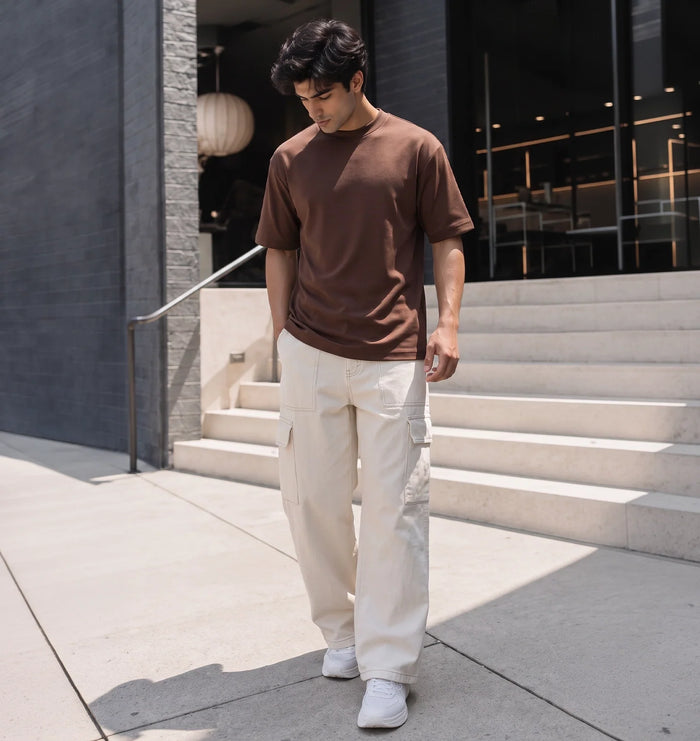
Rest days do not need a complicated outfit either. Comfortable sweatpants for men make sense for walks, stretching sessions, or simply taking it easy at home. Pair them with a vest or T-shirt when the plan is comfort first.
Also Read: Gym Sweat to Street Sharp: Easy Transition Looks
Recovery Habits That Help You Train Better
Recovery relies more on getting the basics right than on following complicated routines.
- Keep Your Sleep Schedule Steady: Going to bed and waking up at consistent times each day supports a more reliable sleep routine.
- Eat Around Your Training: Schedule meals and snack times around training to ensure that you are not typically eating below your maintenance level while training.
- Move on Easier Days: You can still get your body moving on rest days through walking, mobility work, and light activity.
- Give Sore Muscles Time: If a muscle group is really sore, you may want to practise another muscle group or do less of an exercise.
- Track How You Feel: Monitor energy, soreness, sleep, and exercise function. These common signs can alert you to a need for change in your routine.
FAQs
Is rest important for muscle growth?
Yes. Rest enables the body to repair and adapt after training. To build muscle, you need the right combination of training stimulus, nutrition, and recovery.
Can you work out when your muscles are sore?
If soreness is mild, you might find light activity comfortable. However, training a very sore muscle intensely might not be appropriate. Try to lower the intensity or work a different muscle group.
What is active recovery?
Active recovery involves low-intensity movement such as walking, easy cycling, or mobility exercises on easier days. It should feel restorative, not like another demanding workout.
How much sleep do you need to recover from a workout?
The average adult needs about seven to nine hours of sleep a night. Individual needs may vary, particularly in training load, lifestyle, and general health.
What to eat after a workout?
A balanced meal with protein, carbohydrates, healthy fats and fluids can support post-workout recovery. How much you need depends on your training, body size, and your overall needs.
What happens if you don't take rest days?
Not enough recovery can lead to continued tiredness, lower quality of your workouts and an inability to stay consistent with your training. Rest needs depend on training intensity and individual circumstances.
Is recovery needed after strength training?
Definitely. The process of recovery after strength training allows the body to repair itself and adapt to the stress placed on the muscles, which in turn helps with consistent training and long-term progress.