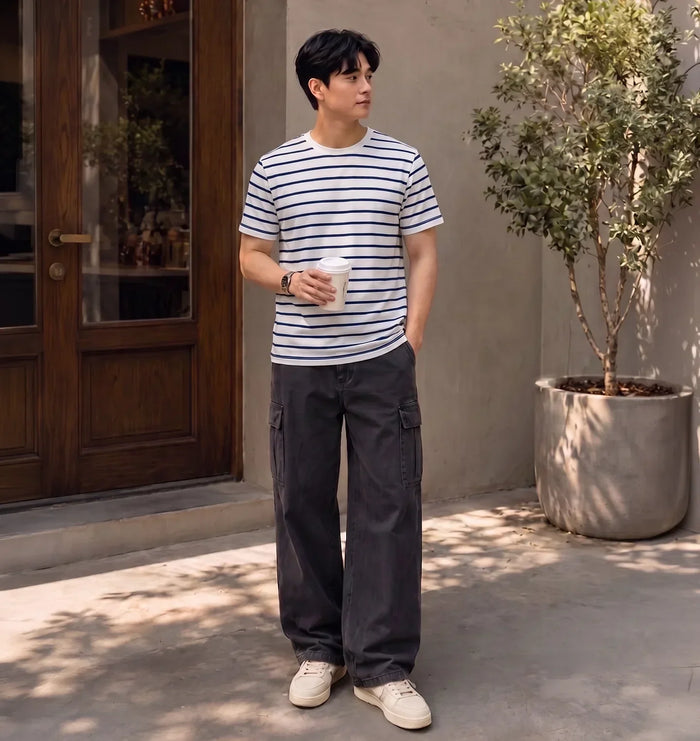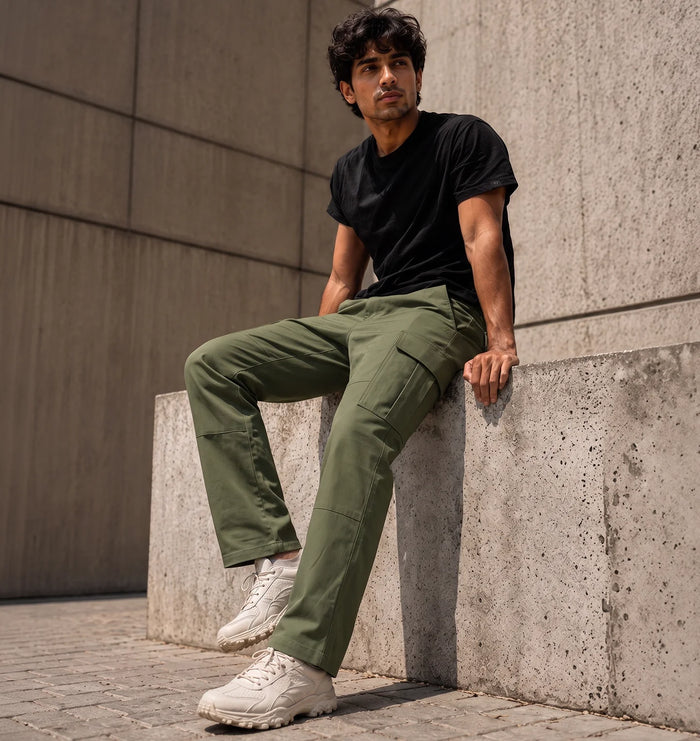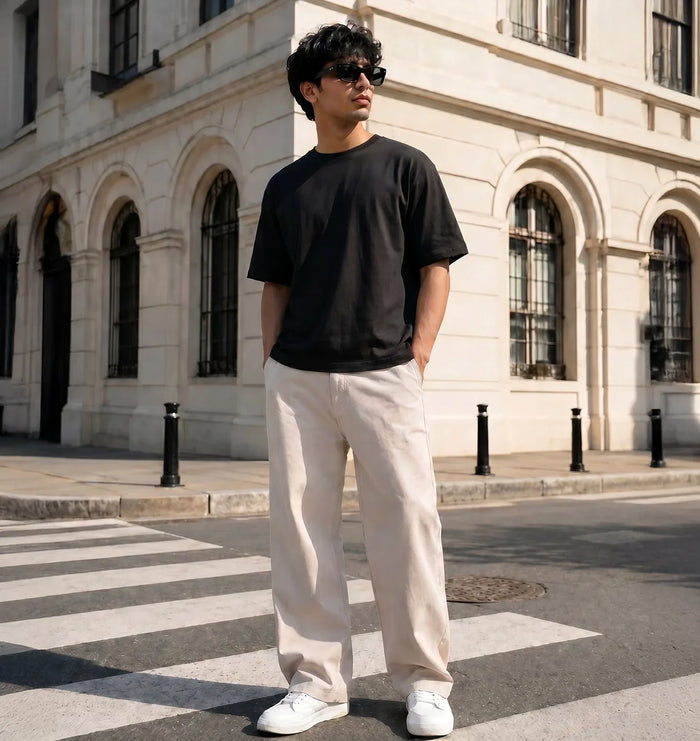




I've walked into a family party many times in cargo pants and a loose tee. Within minutes, my uncle pulled me aside to ask why I couldn't dress more like my father. My father, for the record, was standing nearby looking like a British aristocrat.
The cargo pants were clean. They fit. I liked them, but none of that mattered.
Every conversation I’ve had since this was the same, and it was never about the clothes. It was always about what people thought the clothes said about me.
Before Someone Decided What Men Should Wear
Indian men's clothing, before colonialism rewrote our history, was never boring or restrictive.
The dhoti, the lungi, the angavastram, the loose salwar. They were all regional, practical, and colourful. A zamindar and a farmer might wear the same clothes, with variations only in prints and colour to distinguish their class apart. But generally, the silhouettes of Indian clothing were generous with comfort at the core of everything we made.
Then the British arrived, and with them a very specific idea about what civilised looked like. The suit. The collar. The tailored trousers. This idea of civility was widely adopted to signal educated, aspirational.
As more Indians moved from villages to cities, more people vied for government jobs. The gendered fashion norms that followed weren't accidents. They were a colonial import that survived independence because they signified status, modernity and respectability.
How Log Kya Kahenge Became a Dress Code
Post-independence, we didn't really unlearn any of this. It went on to further establish cultural and class norms as Western-adjacent dressing became the middle-class uniform.
And anything outside that narrow band got a label. The infamous ‘Log kya kahenge?’. A single phrase that cut across religious and class lines. No matter where you grew up around the world, if you’re Indian, you know the implications of those three words.
The oversized silhouette: you’re probably secretly doing drugs. The pyjama in public: You have no shame. The cargo pocket: You’re probably going to be an artist of some kind, aren’t you? Disgusting! These weren't aesthetic critiques. They were and still are a colonial hangover, confusing themselves for critique.
The gender double standard in all of this is easy to miss because it’s a lot more subtle and coded for men. Policing, for us, is tied to how seriously you take life and masculinity. God bless you if you like to wear pink.
And then there was the idea of the chapri. A disgusting racial slur that collapsed class, caste, and urban anxiety into a single word, aimed at how certain men dressed. Again, zero critique or understanding, just judgment pretending to have interest at heart.
The Rules Were Always Contested
It's worth noting, however, that fashion and cultural pioneers thankfully never listened.
Queer communities throughout history have used clothing to refuse the framework entirely, not as fashion, but as an act of resistance. Grassroots urban movements built entire visual languages out of the silhouettes the mainstream looked down on. The oversized fit, the utility pocket, and the relaxed cut were never mistakes. They were arguments made by people who argued that respectability and comfort could go hand in hand.
The Wardrobe That Remains
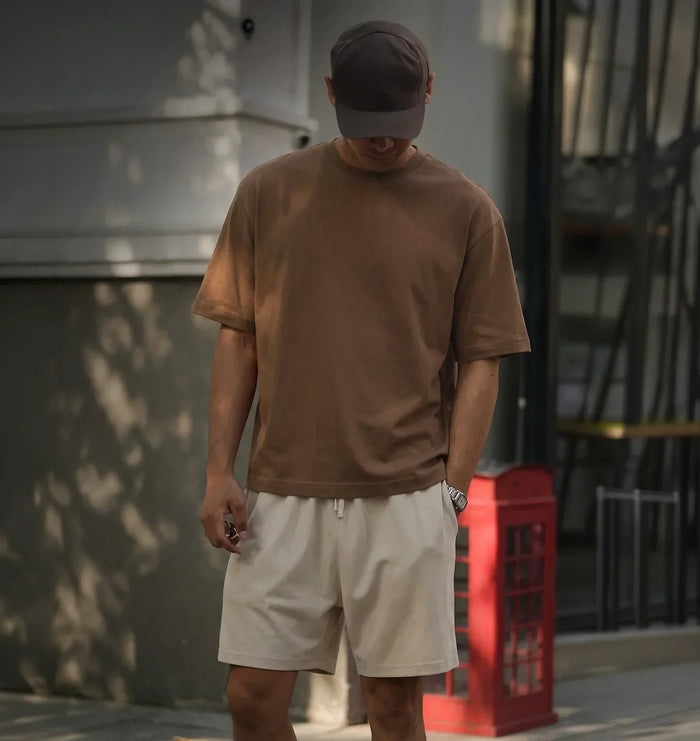
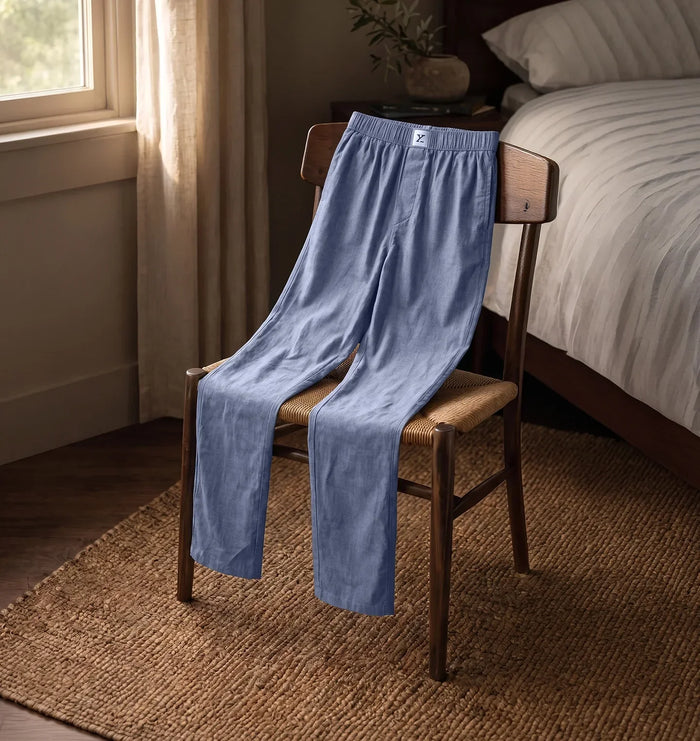
The XYXX Cargo Pants and XYXX Oversized T-shirt are artefacts of this resistance that have been widely adopted by the Indians today. And the XYXX Chino Shorts are a response to the question of, “You’re going to wear that out?” And the XYXX Anti-Tan Parka that needed you to think of mountains to buy and not men's skin care needs. The XYXX Chambray Pyjamas challenge generational thinking.
And now none of these are radical challenges to generational and systemic problems. But they’re a clear message that the system doesn’t decide who looks serious and who doesn't.
A generation of Indian men is dressing for comfort, for self-expression, for the actual weather, and realising that the nosey neighbour aunty is just that, the nosey neighbour.
Gender double standards in Indian fashion haven't gone away. But clothing brands are finding a middle ground that lets men express themselves better.
Uncles across the country will still pull someone aside for the cargo pants. Now you can blissfully ignore them.
FAQs
What are XYXX Cargo Pants made for?
The XYXX Cargo Pants are built for all-day movement, with a wide-straight fit, velcro cargo pockets, and a concealed drawstring waistband. The cotton-polyester-spandex blend keeps them structured without restricting movement.
Are XYXX Chino Shorts only for casual wear?
No. Made from 100% peached twill cotton and pre-washed for softness, they have a clean, straight silhouette that works across casual, social, and relaxed semi-formal settings.
What makes the XYXX Oversized T-shirt different from a regular loose tee?
The cut is intentional — breathable cotton with a woven structure that allows for free airflow. It holds its shape through the day without pulling at the shoulders or bunching.
How practical is the XYXX Anti-Tan Parka for Indian summers?
It offers certified UPF 50+ sun protection, a wind-blocking build, and quick-dry fabric. It folds into a detachable pouch small enough to carry in a bag, making it suited to everyday use as much as outdoor activity.
Does the XYXX Chambray Pyjama hold up after washing?
Yes. The 125 GSM plain-weave cotton gets softer with each wash without losing its structured fit. The no-mark waistband sits in place without digging in.