
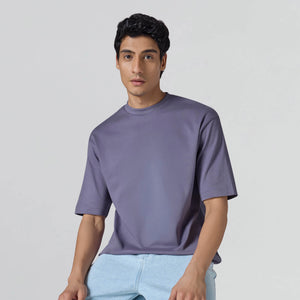

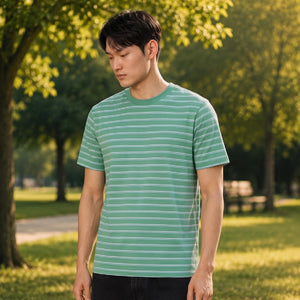


I have a very specific image in my head when someone says the word 'jacket.' Everest base camp. A giant parka. Steam curling off a tin cup of tea. The kind of cold that doesn't just touch your skin, it gets into your bones and makes you wish you were back in Mumbai.
I don't know exactly when that image got in there. The movies, probably. Also, the advertisers, and yes, I am aware that I am currently one of those advertisers. I'm writing this to get you excited about an Anti-tan jacket. But it’s not the kind of jacket you’re thinking about. It's a summer jacket. I'm going to need a moment to explain why that's not as absurd as it sounds.
We've Been Wrong About This Before
Think about something like the XYXX hoodie. For most of my life, hoodies belonged to one season. You wore them when it was cold, when you were hungover, or when you'd given up on the day before it started. That was the deal. An unspoken but universally understood contract between man and garment.
Then I saw Badshah wearing one on stage. Not once; every time. Hour-long sets under full production lighting, the kind of heat a stadium generates when ten thousand people are losing their minds in an enclosed space. Hoodie intact. Completely unbothered. And somewhere in the accumulated weight of all those concerts, the old rule just… stopped applying.
Nobody rewrote the rulebook. Nobody held a press conference. The perception shifted because the reality shifted, and then everyone quietly accepted it. That's how these things usually go.
The anti-tan jacket is at that same moment. Except this time, the thing doing the shifting isn't culture. It's the fabric.
What Nobody Told You About That Cotton T-Shirt
Here's something I didn't know until recently, and I'm a little annoyed nobody mentioned it sooner: that XYXX oversized cotton t-shirt you wear in the heat? Standard cotton offers roughly UPF 5 protection. Which means 80% of the UV radiation currently aimed at you is going straight through it. You're not covered. You're just stylishly dressed.
A UPF 50+ rated XYXX Anti-tan jacket blocks 98% of that. Not through thickness. Not through layers. Through the way the fabric is actually built, UV absorption is at a level that cotton structurally cannot. And unlike sunscreen, it doesn't sweat off at 11 am and abandon you for the rest of the afternoon. And if you’re like me, you know the second application was never going to happen. So does your skin.
When traditional summer wear gets wet - from humidity, a commute, or the very reasonable act of being a person in Mumbai in April, its already limited protection drops further. Engineered XYXX anti-tan jackets hold their rating under moisture. It wicks, dries, and keeps blocking. Consistently.
That's the logic something like the XYXX anti-tan jacket is built on. Certified UPF 50+, quick-dry, wind-blocking, and light enough to fold into its own detachable pouch. The kind of thing you throw into a bag on the way out the door and forget about, until the sun, somewhere around noon on a Tuesday, reminds you that you made a good decision this morning.
It doesn't feel like a traditional jacket in the way I used to mean that word. No bulk. No ceremony. You don't put it on and feel like you're preparing for something. You put it on and feel like you thought ahead. There's a quiet satisfaction I didn't expect from outerwear.
The Oxymoron Was Always the Assumption
A summer XYXX anti-tan jacket isn't a contradiction. It was a category that didn't have the right product imagery until recently, so the idea never had a fair chance to exist. The Everest image isn't wrong. It's just incomplete. Jackets have always been about protection. We just had a very narrow idea of what you needed protecting from.
Turns out the Indian summer makes a stronger case for a jacket than any mountain ever did. We're only just paying attention.
Explore the Ozone UV Protection Parka — built for the heat, certified for the sun.